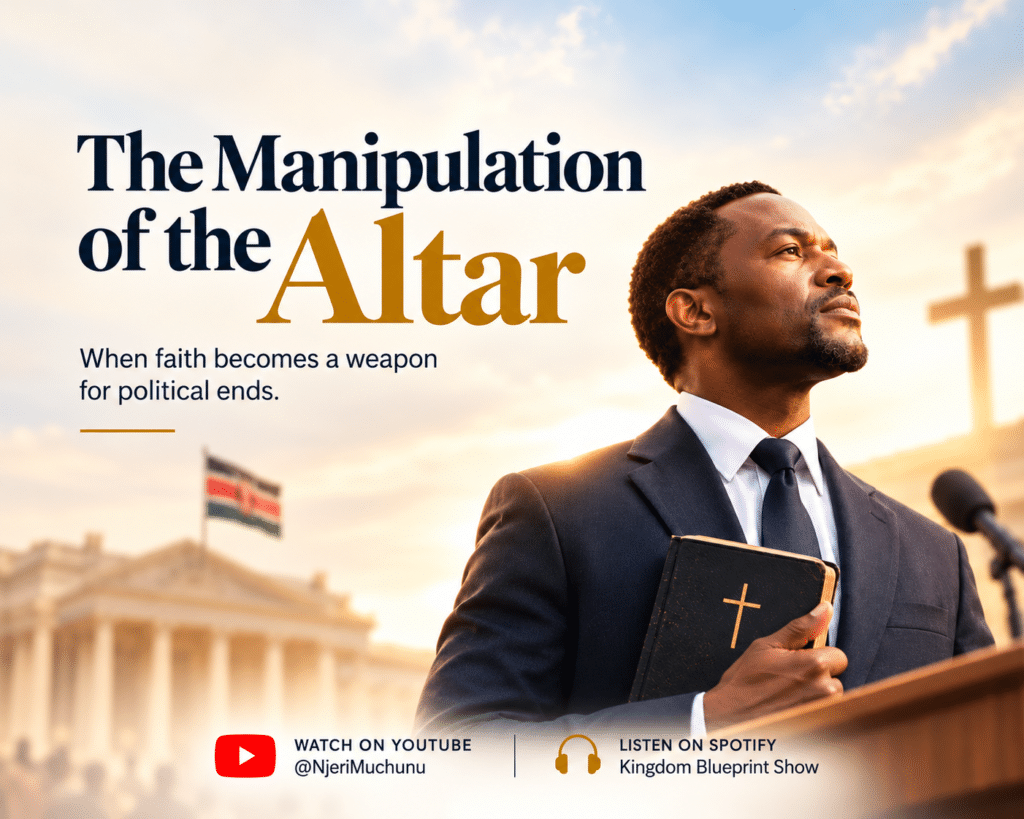
What happens when a leader speaks about God but makes decisions that hurt the very people they are called to serve? What happens when prayer becomes a public performance, Scripture becomes a political slogan, and faith is used to silence questions that deserve honest answers?
These are difficult questions, but they matter. Across Africa and beyond, faith plays a significant role in public life. Many people look to their leaders for direction, integrity and hope. When political leaders speak in the name of God, they carry a responsibility to ensure that their actions reflect the values they proclaim. Faith should inspire justice and service, not become a shield against accountability.
The Bible gives us a powerful example through King Saul. When the prophet Samuel confronted him over his disobedience, Saul defended his actions by claiming that the livestock he had spared was intended as a sacrifice to the Lord. Instead of facing his disobedience, he gave it a religious explanation. Samuel’s response in 1 Samuel 15:22 was clear: “To obey is better than sacrifice.” The lesson is simple but searching: religious activity cannot replace obedience, and public displays of devotion cannot excuse wrongdoing.
Then there is the story of Naboth’s vineyard in 1 Kings 21. Queen Jezebel arranged a false accusation against Naboth under the appearance of a sacred fast. An innocent man lost his life, and the king obtained the property he wanted. What appeared to be a religious gathering became a cover for injustice. It is a chilling reminder that when people manipulate faith for personal or political gain, even sacred things can be used to serve harmful ambitions.
This is why we must look beyond the prayers, speeches and public declarations of our leaders. Are their decisions fair? Are public resources handled responsibly? Can citizens question policies without being made to feel that they are opposing God? Are the vulnerable protected? These are not signs of weak faith. They are necessary questions about the character and responsibility of leadership.
For leaders, the challenge is to ensure that what happens in public worship is reflected in public service. Prayer should lead to greater honesty, compassion and courage to do what is right. It should never be used to distract from corruption, excuse failed policies or avoid difficult conversations. Where people are suffering, they need more than reassuring words; they need leadership that listens, takes responsibility and acts.
Citizens and faith communities also have a part to play. We must develop the discernment to recognise the difference between genuine spiritual conviction and the use of religion to influence or control people. At the same time, our response to hypocrisy must remain grounded in truth and responsibility. James 1:20 reminds us that human anger does not produce the righteousness God desires. We can demand justice without surrendering our own integrity.
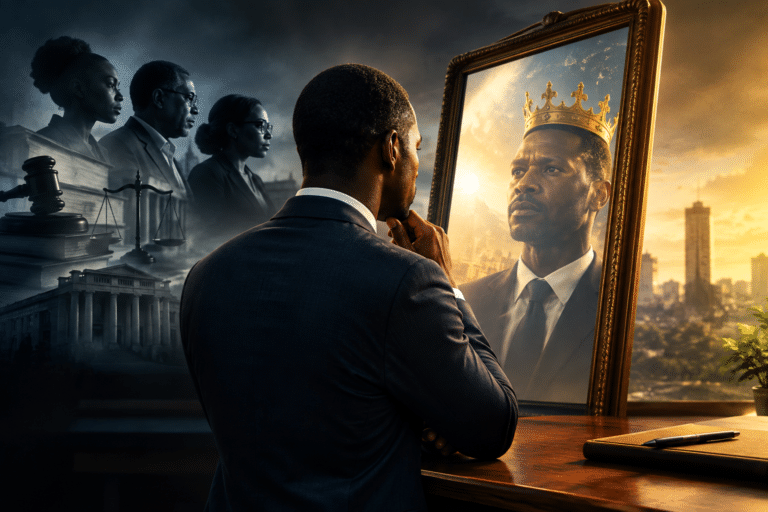
In Episode 7 of Kings & Presidents, titled “The Manipulation of the Altar,” Apostle Njeri Muchunu explores what happens when spiritual language is used to protect political power rather than uphold justice. Through the stories of Saul and Jezebel, the episode challenges leaders, citizens and religious communities to examine the relationship between faith, power and accountability.
At Njeri Muchunu Global, we believe leadership transformation must go deeper than titles, influence or public image. It begins with the heart, shapes our decisions and becomes visible in how we treat people and exercise responsibility.
Explore more conversations on biblical leadership, purpose and Kingdom transformation at www.njerimuchunu.com. You can also listen to the Kingdom Blueprint Show on Spotify.
God’s name should never be used to hide injustice. True faith should make leadership more accountable, not less.